
Most homeowners never know they have a check valve until it stops working. Then the symptoms show up looking like something else entirely: a pump that will not stop cycling, air from the taps first thing in the morning, a loud bang in the pipes, or a jet pump that keeps losing prime.
What it does
When a submersible pump stops, there is a long column of water standing in the drop pipe above it, often a few hundred feet tall. The check valve holds that column in place. Without it, the water would drain back into the well, and the pump would have to lift the whole column again every time it started.
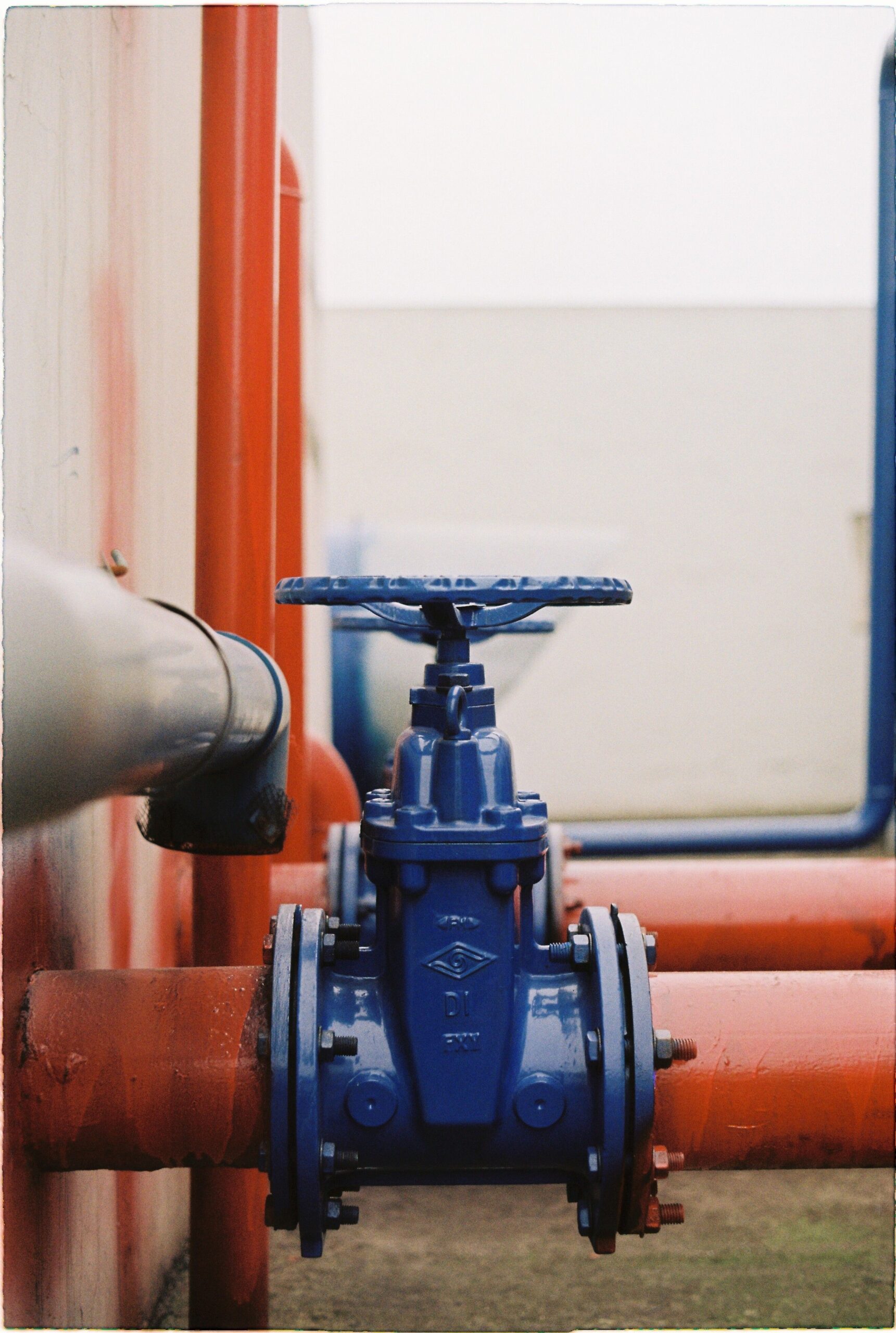
The first check valve usually sits at the top of the pump itself, deep in the well. Deeper installations often have additional valves along the drop pipe. Many systems also have one above ground, near the pressure tank. On a jet pump, the equivalent is a foot valve at the bottom of the suction pipe.
Signs the check valve is failing
| Pump runs briefly with no taps open | Pressure leaks back past the valve, the gauge drifts down and the pump restarts. The classic sign. |
| Air or sputtering first thing | Water drained back overnight and air filled the pipe. See air in well water lines. |
| A bang when the pump starts or stops | Water hammer. Often a valve slamming shut, or a column of water hitting a closed valve after partly draining. |
| Jet pump keeps losing prime | A leaking foot valve lets the suction line empty. See jet pump repair. |
| Pump runs, little or no water | The rarer opposite fault: a valve stuck closed. See pump running but no water. |
The simple test
- Close every tap and make sure nothing in the house is using water — toilets, ice maker, irrigation, softener.
- Let the pump fill the tank and shut off.
- Watch the pressure gauge for twenty to thirty minutes without using any water.
If the needle holds steady, the check valves and plumbing are sealing. If it creeps down and the pump eventually restarts, water is escaping somewhere: back down the well through a check valve, through a leak in the line, or out through a running toilet. Rule out the toilets and outdoor taps first.
Do not just add a check valve at the tank to cure it. A new above-ground valve can hide a leaking valve below it, but water still drains out of the drop pipe, leaving a vacuum that pulls on the pipe and fittings and can cause water hammer. The faulty valve is the one to fix.
Why they fail
- Sand and grit holding the valve slightly open or scoring the seat. See sand in well water.
- Short cycling, which opens and closes the valve thousands of times a day and wears it out years early. See why a pump keeps turning on and off.
- Age and mineral build-up, particularly in water with iron or hardness.
- A broken spring or flapper, which leaves the valve stuck open or shut.
What replacing one involves
An above-ground check valve near the tank is a straightforward plumbing job. A valve on top of a submersible pump, or along the drop pipe, means pulling the pump out of the well. Since that is the expensive part, it is the moment to look at the pump’s age and condition, the wire and the pipe, and decide whether anything else should be replaced while it is out. More in repair or replace.
Where we work
Well pump repair across Upstate South Carolina
| ✓Anderson | ✓Greer |
| ✓Taylors | ✓Mauldin |
| ✓Simpsonville | ✓Fountain Inn |
| ✓Travelers Rest | ✓Easley |
What to remember
| 1 | Pump starting with nothing on is the sign. Watch the gauge to confirm. |
| 2 | Rule out toilets and taps first. They leak far more often than valves. |
| 3 | Location decides the cost. Above ground is quick; in the well means pulling the pump. |
| 4 | Do not mask it with an extra valve. Fix the one that is leaking. |
| 5 | Sand and short cycling kill valves. Fix those or the new valve fails too. |
Frequently asked questions
What are the signs of a bad check valve on a well pump?
The pump turning on briefly when no water is being used, pressure slowly dropping on the gauge, air or sputtering at the first tap in the morning, banging in the pipes at start or stop, and on jet pumps, repeated loss of prime.
Where is the check valve on a submersible well pump?
The main one is built into or fitted on top of the pump at the bottom of the well. Deeper installations may have more along the drop pipe, and many systems have another above ground near the pressure tank.
Can a bad check valve cause short cycling?
Yes. If water leaks back down the well, pressure drops and the pump restarts even with nothing running. A waterlogged pressure tank is still the more common cause of short cycling, so both should be checked.
Can a check valve cause water hammer?
It can. A valve that slams shut, or water rushing back up against a valve after the pipe has partly drained, produces a bang in the plumbing when the pump starts or stops.
How long does a well check valve last?
Often as long as the pump, but sand, iron, hardness and short cycling can wear one out in a few years.
Do I need to pull the pump to replace the check valve?
Only if the faulty valve is in the well. An above-ground valve near the tank can be replaced without touching the pump.
Pump starting on its own?
Find the leak before it wears out the pump
We pressure-test the system, find out whether it is a check valve, the tank or a line leak, and tell you whether the pump needs to come out — with a fixed price in writing first.
Open 7am–9pm, seven days · No call-out fee with a repair · Fixed price agreed in writing
See our submersible pump repair page and what to check before you call.