
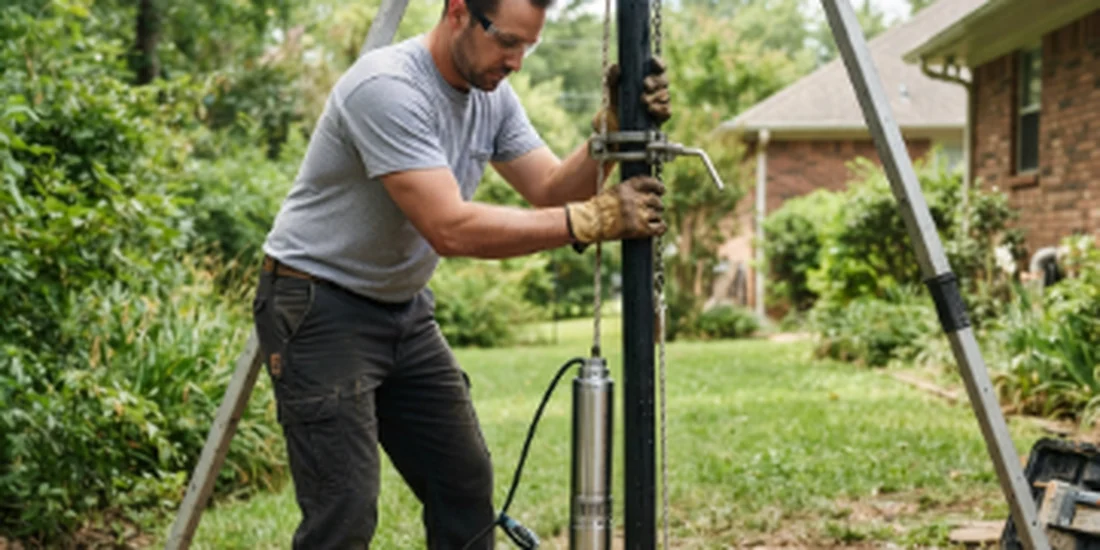
Repair first
When Replacement Is Actually the Right Call
Most no-water callouts are not dead pumps. They are pressure switches, capacitors, control boxes, wiring faults and waterlogged tanks — all repairs. That is why we test the whole system before quoting a replacement, and why we will tell you when a repair is the cheaper, sensible answer.
A pump genuinely needs replacing when one of these is true:
- The motor has burned out or seized — windings shorted, no continuity, or the shaft will not turn.
- The pump body or impellers are worn through — output has dropped away even with healthy power and pressure controls.
- Repair cost approaches replacement cost — common on older units where several parts are failing at once.
- The pump is badly undersized for the house — it has been running near capacity for years and will keep failing.
- The unit is already well past its service life — and it is on the second or third repair in two years.
If none of those apply, we will say so. Replacing a working pump is the most expensive mistake in this trade, and we would rather fix it and keep your number for next time. See well pump repair for what a repair visit covers.
What a Proper Well Pump Replacement Includes
Swapping a pump is the easy part. Getting the sizing, wiring and pressure settings right is what decides whether the new system lasts twelve years or eighteen months.
Test before we quote
Pump, tank, switch, control box and wiring are all checked so we know the pump is the actual fault and not a symptom.
Size the new system
Well depth, static water level, recovery rate and household demand decide horsepower and flow rate. Guessing here is how pumps get overworked.
Install and commission
New unit fitted, wiring and controls checked, pressure settings calibrated, then flow and pressure re-tested at the tap before we leave.
Where the drop pipe, wiring or pitless adapter is also at fault, we tell you up front rather than fitting a new pump onto tired components. The whole point of a replacement is that you stop thinking about it.
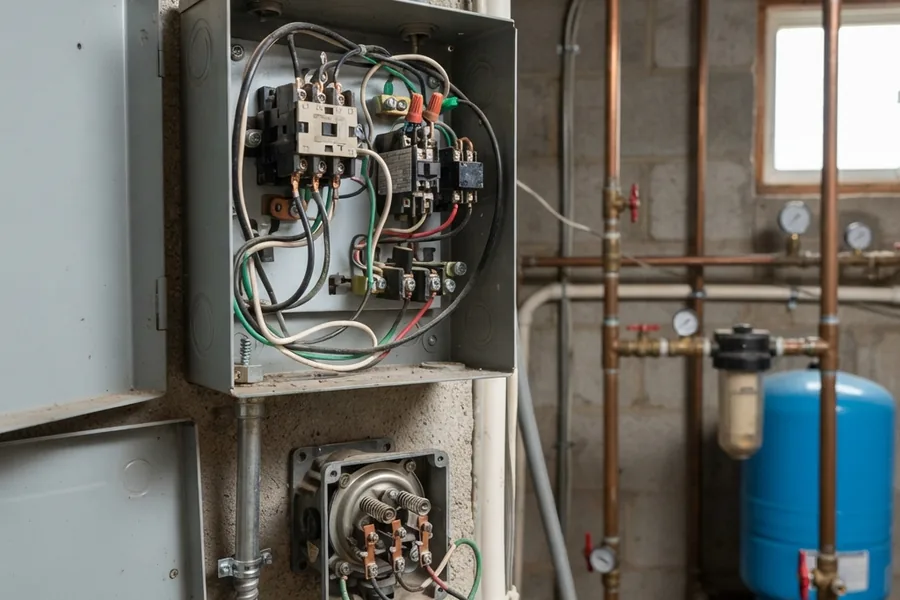
Submersible & jet
Systems We Replace
We replace both main types of residential well pump, and we keep the common sizes available so you are not waiting days without water.
- Submersible pumps — the deep-well workhorse, sitting below the water line. Replacement means pulling the drop pipe, so we check the pipe, wiring and splices while the system is out.
- Jet pumps — shallow and convertible units mounted above ground. Faster to replace, and easier to inspect for the priming and foot valve faults that often caused the failure.
- Constant pressure systems — where a house has poor pressure at multiple fixtures, a variable speed setup is sometimes a better answer than a bigger conventional pump.
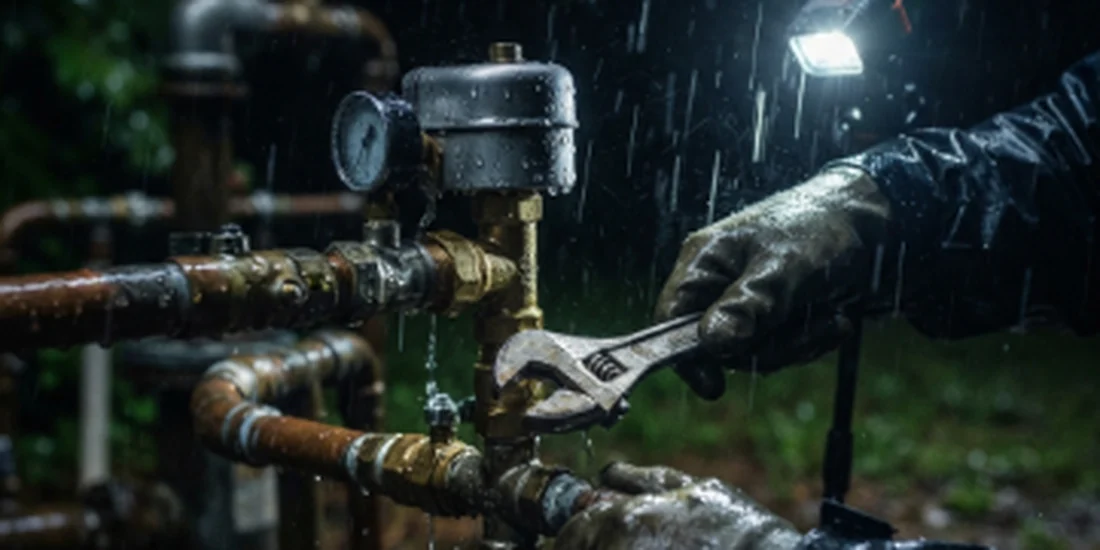
No water?
Replacement Without Days of Waiting
We keep common pump sizes on hand, so a same-day or next-day replacement is normal rather than exceptional. If you have no water at all, say so when you call.
Well Pump Replacement FAQs
How long does a well pump replacement take?
A jet pump swap is usually two to three hours. A submersible replacement takes longer because the drop pipe has to come out, and on a deep well that can be most of a day.
How do I know if I need a repair or a replacement?
You do not have to decide. We test the system first and tell you which one applies, with the reasoning in writing. Most callouts turn out to be repairs.
How long should a new well pump last?
A correctly sized submersible pump typically runs eight to fifteen years. Short cycling caused by a failing pressure tank is the fastest way to cut that short, which is why we check the tank during any replacement.
Will a bigger pump give me better water pressure?
Usually not. Poor pressure is more often a pressure switch, a waterlogged tank or a restriction in the line. Fitting a larger pump to solve a pressure complaint tends to hide the real fault and wear the new pump out early.
Do you replace pumps you did not install?
Yes. We work on submersible and jet systems of any age and brand, including installs carried out by other companies.
Can I replace a well pump myself?
Pulling a submersible pump needs equipment to lift the drop pipe safely, and the wiring is live. A wrong-sized replacement also costs more in the long run than the original job. It is not a sensible DIY project.
Not sure if it needs replacing?
Tell us what the pump is doing. We test before we quote, and we will tell you honestly if a repair will do the job instead.