
Most Upstate homeowners on wells have never had to think about how much water is actually down there. The last twelve months changed that for a lot of people.
How dry it has been
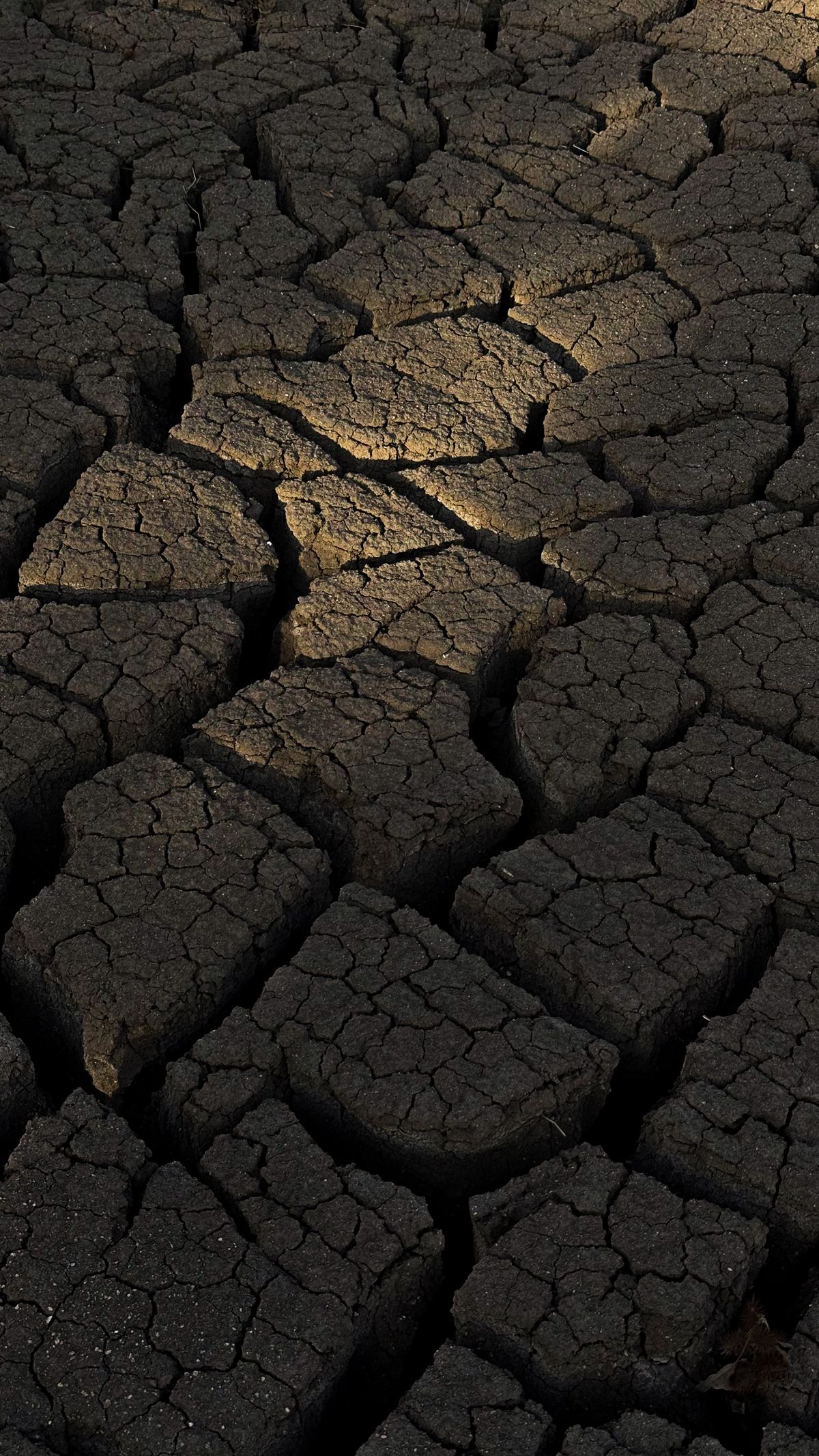
The numbers from the state are striking. At a spring 2026 meeting of the S.C. Drought Response Committee, officials reported that January through April 2026 was the driest such period on record statewide, and that September 2025 through April 2026 was the driest in 131 years of records. By the start of May, all 46 counties were in severe drought — the first time that had happened since September 2002 — and the S.C. Department of Environmental Services reported some private wells going dry.
Here in the Upstate, Anderson, Pickens and Greenville counties moved into severe drought as early as January 2026.
Drought status changes with every committee meeting, so for the current picture check the S.C. State Climate Office. The point for well owners is what a year like this leaves behind underground.
Why rock wells respond slowly
Most wells across Greenville, Anderson, Pickens and Spartanburg counties are drilled through soil and weathered rock into solid bedrock. The water does not sit in an underground lake. It moves through cracks and fractures in the rock, recharged by rain soaking down through the soil above.
That has two consequences:
- Recovery lags the rain. A wet week refreshes the soil and the streams long before it reaches the fractures your well draws from. Groundwater levels can keep falling for weeks after the weather turns, and take months to recover.
- Neighbouring wells behave differently. One well may hit a well-connected fracture system and barely notice a drought. Another, a few hundred feet away, may depend on a single small fracture that slows to a trickle. How your neighbour’s well is doing tells you little about yours.
More on local geology in the Upstate well owner’s guide.
Signs your well is struggling
| Sputtering during long use | The pump is drawing the level down to its intake. The clearest early warning. See air in well water lines. |
| Cloudy or gritty water | Water rushing in faster through the fractures carries sediment. See sand in well water. |
| Weak by evening, fine by morning | The well recovers overnight but cannot keep up through the day. |
| Pump running longer | More lift, less water. Takes longer to reach cut-out pressure, or never quite gets there. |
| A new smell or taste | Drawing from a different zone of the well. See sulphur smell in well water. |
The real danger: the pump, not the water
A well that runs low will usually recover. A pump that runs dry often will not.
Submersible motors are cooled by water flowing past them. When the level drops below the intake, the pump runs on air, heats up rapidly, and can burn out in a short time. So the most important thing during a drought is making sure the pump stops before that happens.
If the taps start sputtering, stop using water. Turn off the hose, pause the laundry, and give the well a few hours to recover. If the pump keeps running with no water arriving, switch it off at the breaker.
A dry-run protection device on the pump circuit senses when the pump is running without water and shuts it off, then tries again after a delay. For a well that has shown signs of struggling, it is one of the most cost-effective things you can fit.
What you can do right now
- Spread your water use out. Laundry on one day, not three loads back to back. Showers at different times. The well recovers between uses.
- Cut or move irrigation. Lawn watering is the biggest draw on most wells. If you must water, do it in short sessions early in the morning.
- Fix leaks. A running toilet can waste a surprising amount over a day.
- Watch the gauge and listen. Early signs are worth acting on before the pump is at risk.
Longer-term fixes
| Test the yield | Find out what the well actually produces now. Everything else depends on it. See well yield testing. |
| Lower the pump | If there is enough well below the current setting, hanging the pump deeper gives it more water to draw on. |
| Match the pump to the well | An oversized pump drains a low-yield well faster. See sizing a well pump. |
| Add storage | A holding tank filled slowly by the well, feeding the house through a booster pump, turns a low-yield well into a workable one. |
| Deepen or redrill | The last resort, and a job for a licensed well driller. Worth considering only after the options above. |
Where we work
Well testing and service across Upstate South Carolina
| ✓Anderson | ✓Greer |
| ✓Taylors | ✓Mauldin |
| ✓Simpsonville | ✓Fountain Inn |
| ✓Travelers Rest | ✓Easley |
What to remember
| 1 | Groundwater lags the rain. A wet month does not mean the well has recovered. |
| 2 | Sputtering is the warning. Stop using water and let it recover. |
| 3 | Protect the pump. A dry well recovers; a pump run dry often does not. |
| 4 | Spread use through the day. Irrigation is the biggest single draw. |
| 5 | Test before you drill. Lowering the pump or adding storage often solves it. |
Frequently asked questions
Can a well run dry during a drought?
Yes. During South Carolina’s 2025 to 2026 drought, state officials reported some private wells going dry. Wells with low yield or shallow pump settings are most at risk.
How do I know if my well is running dry?
Sputtering taps during long use, cloudy or gritty water, weaker flow later in the day that recovers overnight, and a pump that runs longer to reach pressure are the common signs.
Will my well recover after a drought?
Most do, but bedrock wells in the Upstate recover slowly because rain takes time to reach the fractures that feed them. Recovery can take months of normal rainfall.
Can a dry well damage my pump?
Yes. Submersible pumps are cooled by the water around them. Running on air, they overheat and can burn out. A dry-run protection device shuts the pump off before that happens.
Should I drill my well deeper?
Only after testing the yield and considering simpler options: lowering the pump, matching the pump size to the well, or adding a storage tank. Deepening is expensive and does not guarantee more water.
Why is my neighbour’s well fine when mine is struggling?
Upstate wells draw from fractures in the rock, and every well intersects a different set of fractures. Two wells close together can have very different yields.
Does a drought affect water quality?
It can. As levels fall, a well may draw from a different zone or pull in more sediment, changing the taste, smell or clarity. A water test is worthwhile if anything changes.
Worried about your well?
Find out how much water you really have
We measure the water level and yield, check where the pump is set, and recommend the simplest fix that protects both the well and the pump — with a fixed price in writing before any work starts.
Open 7am–9pm, seven days · No call-out fee with a repair · Fixed price agreed in writing
See our water flow and pressure testing page, or read pump running but no water if the well has already stopped producing.